
A first-ever fire incident involving Kia’s award-winning all electric EV6 has surfaced the internet. According to reports, the fire erupted after the EV6 crashed into a concrete barrier somewhere in Budapest, Hungary.
Although it has been stated many times that EVs are actually less prone to catching fire than conventional combustion engine vehicles, however in the real world there are some instances when an EV has appeared to be more dangerous in a crash. Specifically in case of any impact that affects the battery pack or any of vehicle’s high voltage cabling.
There are no details yet regarding the reason of this fire incident or the variant of Kia EV6 that got involved in the crash, keeping in mind it comes with both 2-wheel and 4-wheel drive versions with one and two electric motors respectively. Though the driver was reportedly injured and was taken to hospital.
According to the analysis by InsideEVs, assuming if it’s an all-wheel drive model, then the impact in the front of the vehicle may have damaged the electrical conduits that the high voltage cables needed to power the front motor are run through. If it was a rear-wheel drive model, then the risk of a frontal impact causing a fire would have been reduced – with no second motor there, there are no high voltage electric parts in the front or any charging port to get damaged.
Looking at the video, one can see that the blaze does appear to be concentrated in the front of the Kia, but it’s not coming from underneath the vehicle, so maybe the battery had yet to catch fire or only the front modules had been affected when the video was shot. Official response from Kia regarding this incident is yet to become public.
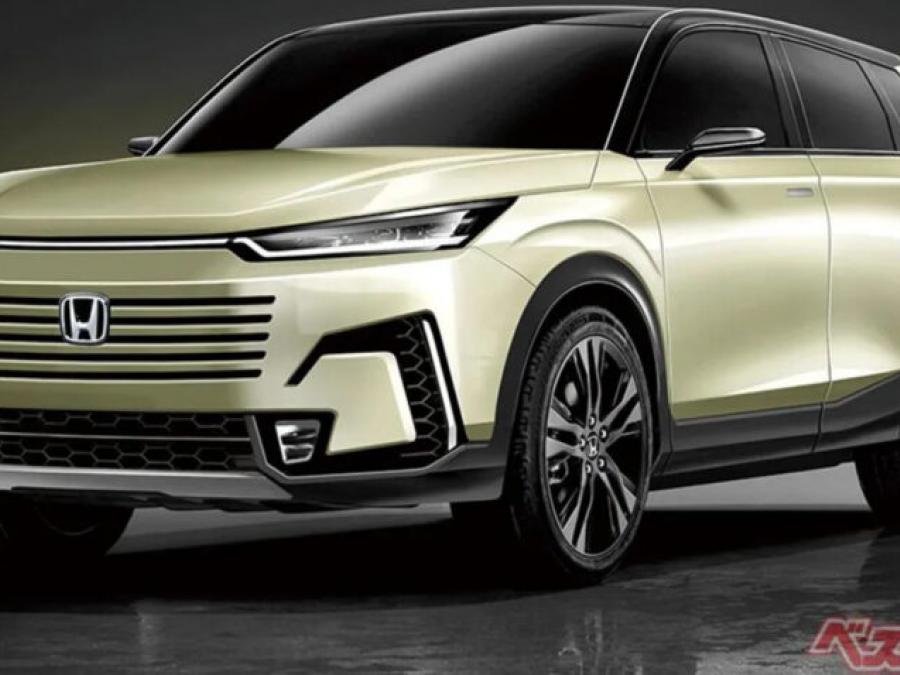
Honda having left behind in the race of crossover SUVs is cooking up a couple of all-new CUV models, which according to Japanese media will be unveiled within this year.
Now based on the available information, famous Japanese publication Best Car Web has shared two speculative renderings of an unnamed crossover that is rumored to slot between the HR-V and CR-V and will compete against the likes of Toyota Corolla Cross, Haval Jolion and Subaru XV.
Although no official information is available at this stage, reports suggest that the new CUV will be powered by the Civic’s 1.5L turbocharged petrol engine as well as its upcoming ‘self-charging’ petrol-electric hybrid powertrain as an option.
Honda has already showcased the SUV RS concept late last year which will take shape into Honda ZR-V crossover that will compete against the likes of Toyota Raize and Daihatsu Rocky compact SUVs primarily in the Southeast Asian region. The addition of the new unnamed CUV will help Honda strengthen its position in the booming crossover SUV segment in key markets around the globe.
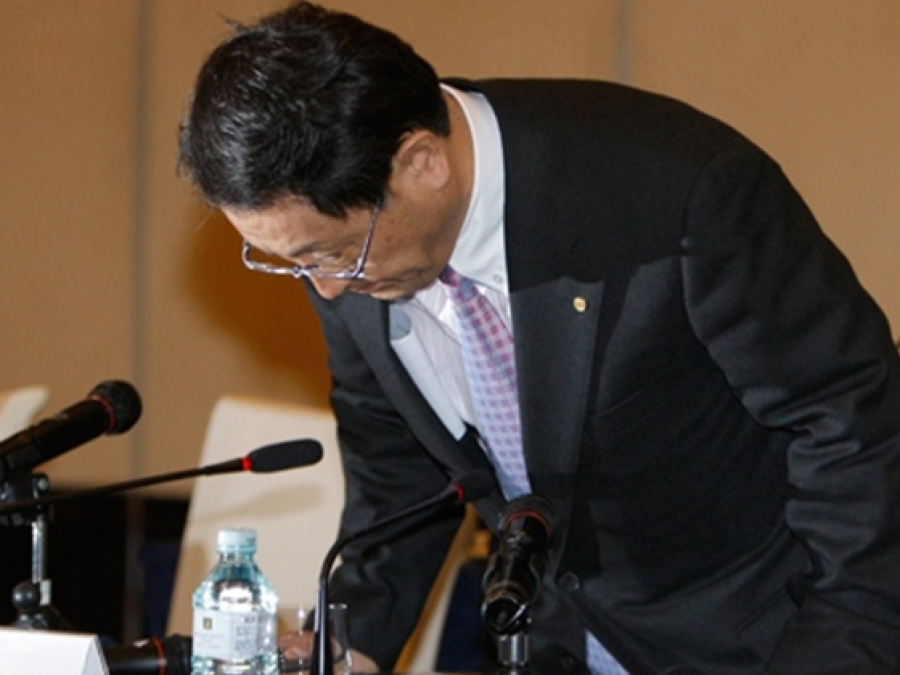
Toyota has settled a lawsuit that blamed overwork and harassment for the suicide of one of its employees. Monetary details of the settlement were not disclosed.
Japanese media reports that the lawsuit filed by the worker’s family had sought 123 million yen in damages. The wife told reporters she felt her husband, then 40, would have understood and she believes Toyota has the opportunity to change for the better. Toyota promised an investigation into the case to prevent a recurrence and apologized for the family’s suffering.
The company President Akio Toyoda also apologized to the family. In a statement, Toyota says:
“We are now trying to create a more transparent workplace environment that makes it easier for people to speak up, as well as a management that’s free of power harassment, so that each and every employee can work without fear.”
Deaths from overwork and on-the-job stress, including suicides, are a common problem in workaholic Japan. Troubles with abusive bosses also have been gaining attention. The Nagoya High Court ruled in September the employee’s death was work-related, noting he suffered severe stress at work before his suicide in 2010. Toyota, which is based in Toyota city, near Nagoya, had initially contested the allegations. In 2019, Toyota acknowledged a 2017 suicide of a 28-year-old engineer was caused by constant ridicule from his boss.
Japanese people are reputed to be extremely loyal to their companies, often sacrificing their personal well-being and putting in enormous amounts of overtime, while taking pride in being part of a company. The government received 2,835 complaints of deaths from overwork, or karoshi, in 2020. Compensation was paid in more than 800 cases, including suicides.


-

[news] How exotic V8, V12 and even V16 engines a ...
6777777777777777777nPosted by ninja 5 months ago -
-
[news] How exotic V8, V12 and even V16 engines a ...
6777777777777777777777777777Posted by 67 5 months ago -
[news] WEF: The end of the personal car is coming
This is tyranny if ever I heard it. There is no gl [more ...]Posted by Micky 1 year ago -
[news] The new Moskvich 3 gets a new name, petro ...
Nice utüg, congratulations if you can drive itPosted by Mosque Witch 3 years ago -
[news] The new Moskvich 3 gets a new name, petro ...
Battery electric?! Hasn't Russia learned any less [more ...]Posted by Sagradamoly 3 years ago -
[news] An American put a chip on his hand to mak ...
Great article!Posted by Bobby Brown 4 years ago -
[news] Tesla Asks Drivers To Post Fewer Clips Wi ...
Tesla's autopilot needs many more improvementsPosted by Tesla driver 5 years ago